960 rear main engine oil seal progress

Tom Bond

Member
Well, by some act of God and a few tips from you guys on here, I got the main down and both halves of the seal came out relatively easy. I loosened the center main about 1/2 a turn and then tried a flat punch on one end of the upper seal to push it out. Didn't move hardly at all. Then I tried the next tip from someone and screwed a drywall screw in the other side about 1/4" and gave it a yank with needle nose. Came right out slicker han snot. Now I just need to clean everything up and reassemble. Do you guys roll the engine over by hand to clean off the top side of crank not exposed? Also, someone else mentioned if the original fiber side seals come out undamaged, like mine did, just to put some Loctite RTV seal on them and reuse them. Or should I just go ahaead and use the new rubber ones and drive the pin in to seal them?
I'm open to all help and ideas. First time doing this. Thank you! Tom
 

Attachments

  • 20240818_164918.jpg
    20240818_164918.jpg
    454.7 KB · Views: 135
  • 20240818_164956.jpg
    20240818_164956.jpg
    465.4 KB · Views: 130
  • 20240818_165408.jpg
    20240818_165408.jpg
    237.9 KB · Views: 137
Well, by some act of God and a few tips from you guys on here, I got the main down and both halves of the seal came out relatively easy. I loosened the center main about 1/2 a turn and then tried a flat punch on one end of the upper seal to push it out. Didn't move hardly at all. Then I tried the next tip from someone and screwed a drywall screw in the other side about 1/4" and gave it a yank with needle nose. Came right out slicker han snot. Now I just need to clean everything up and reassemble. Do you guys roll the engine over by hand to clean off the top side of crank not exposed? Also, someone else mentioned if the original fiber side seals come out undamaged, like mine did, just to put some Loctite RTV seal on them and reuse them. Or should I just go ahaead and use the new rubber ones and drive the pin in to seal them?
I'm open to all help and ideas. First time doing this. Thank you! Tom
Where the cap fits the upper part of the block it has to be sealed also. Good luck with those pined side seals the only time I tried them they leaked. I removed them and put RTV on'em to stop the leak. I had the engine out and could check the seal.
 
First thing is to check the crank well and make sure there is not a wear spot where the seal rides.

Its good to have a little oil on the crank.
It helps the seal slide on the crank as you put it in.
Some seal manufactures recommend you do not put the ends flush with the block and cap ends.
They even give you a little measuring tool to measure the offset
So if you can not get the seal in that last little bit do not fret.
Just offset the seal in the cap a equal amount.
Once you got the top seal in use the cap to pull the crank up tight and mash the top seal in the grove.

Now take the cap back off and clean all mating surfaces with brake cleaner.
Install the seal in the cap to match how you have the top seal in if you put it offset.
You want a dab of RTV on the ends of the seal where the two pieces touch.
You also want a small line of RTV from the seal over to the block and along that side grove where the cap and block touch.
Hopefully you put the seal in facing the correct direction.

For the side seals I have seen all kinds of attempts to seal here.
I have even seen guys that do not use the side seals and fill the grove with RTV.
They fill the grove (flush) with RTV.
Install cap and snug it down.
Then use the side seal to compress the RTV until it oozes out a little between the cap and block.
Keep filling the grove and packing to entire grove is full.
I believe I saw a you tube video of this process awhile back also.

When you put the pan on put a line of RTV in the crack where the cap and block meet and on the end of the side seal hole.
 
If you are in need of a really bad time go ahead and and use those new side seals with the pins. I have done it by filling with RTV as Hobo and John describe. I used a short piece of a milk shake straw to extend the RTV tip. Since you have fiber seals that came out undamaged I would use those.
 
On side deals I pack cavity full of butchers string with a bit of RTV. Disclaimer, I never did a Ford but might work. I use a long nail squared off to pack with.
 
If you are in need of a really bad time go ahead and and use those new side seals with the pins. I have done it by filling with RTV as Hobo and John describe. I used a short piece of a milk shake straw to extend the RTV tip. Since you have fiber seals that came out undamaged I would use those.
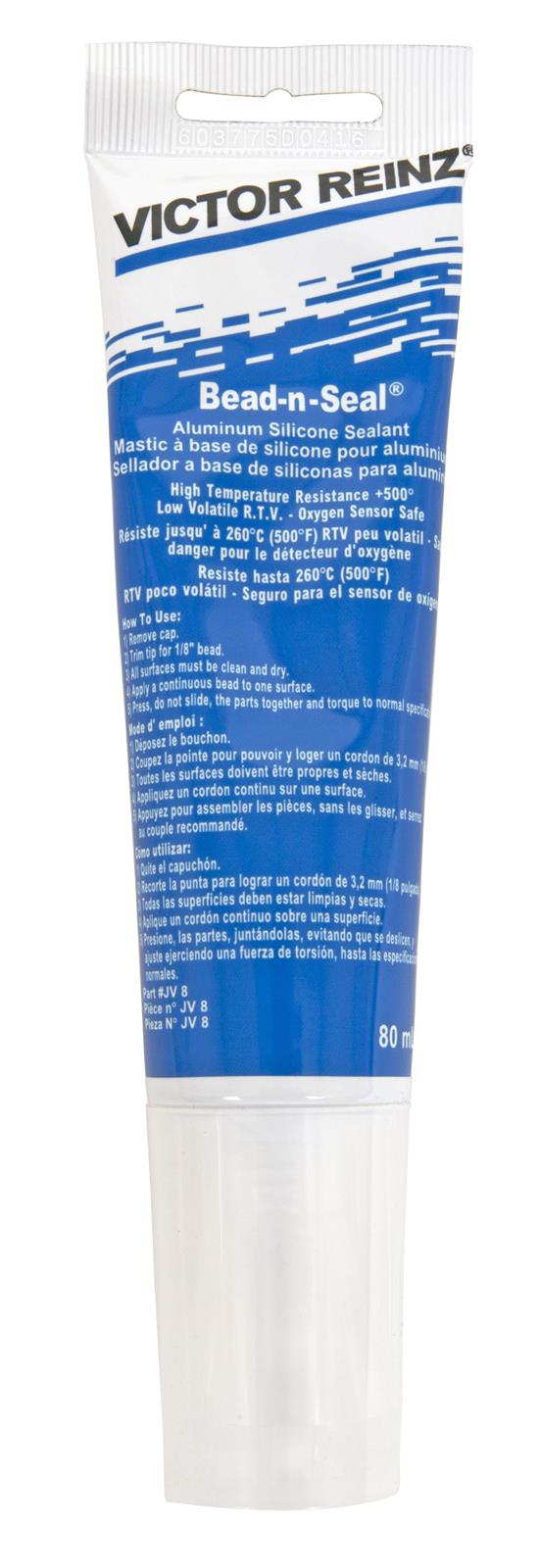
The speical sealant used in the Victor Reinz set.

 
If you are in need of a really bad time go ahead and and use those new side seals with the pins. I have done it by filling with RTV as Hobo and John describe. I used a short piece of a milk shake straw to extend the RTV tip. Since you have fiber seals that came out undamaged I would use those.
Showcrop. I'll probably do as you recommend and use the fiber seals that came out undamaged. Do I put a bead of RTV silicone sealer in the groove and then push in the old seal and then put a small bead on the other side before sliding it up in place? Just not sure of the process you suggest. I bought a tube of the Loctite RTV silicone sealer and a tube of the gasket MAKER. I take it use just the sealer and not the maker? Thank you. Tom
 
Showcrop. I'll probably do as you recommend and use the fiber seals that came out undamaged. Do I put a bead of RTV silicone sealer in the groove and then push in the old seal and then put a small bead on the other side before sliding it up in place? Just not sure of the process you suggest. I bought a tube of the Loctite RTV silicone sealer and a tube of the gasket MAKER. I take it use just the sealer and not the maker? Thank you. Tom
I would not dare say about that. Perhaps Hobo has done it and knows if it worked well.
 
Where the cap fits the upper part of the block it has to be sealed also. Good luck with those pined side seals the only time I tried them they leaked. I removed them and put RTV on'em to stop the leak. I had the engine out and could check the seal.
Hi Hobo. Thanks for help guiding me installing my new seals. One question if you don't mind. I'm going to use the original fiber side seals that came out undamaged. When you say to use sealer on them before reinstalling them, how did you do that? Just put some sealer on the side that contacts the block or coat the whole side seal with sealer and then slide it up in there? I also saw a video on YouTube where they squeezed some in the side seal groove and then pushed the seal all the way in and then torqued it down. Just trying to get this done right the first time so I don't have to pull it all back apart. Those rubber seals and pins don't look very appealing to install! Want to keep away from them like you said in my post. Thanks again for all your help. Tom

Reply
Report
 
Hi Hobo. Thanks for help guiding me installing my new seals. One question if you don't mind. I'm going to use the original fiber side seals that came out undamaged. When you say to use sealer on them before reinstalling them, how did you do that? Just put some sealer on the side that contacts the block or coat the whole side seal with sealer and then slide it up in there? I also saw a video on YouTube where they squeezed some in the side seal groove and then pushed the seal all the way in and then torqued it down. Just trying to get this done right the first time so I don't have to pull it all back apart. Those rubber seals and pins don't look very appealing to install! Want to keep away from them like you said in my post. Thanks again for all your help. Tom

Reply
Report
Clean all good with brake clean, coat the old side seal well with RTV and install it. I would have liked to see the sealing surface of the old seals. If they were not coming apart I doubt a new seal will be the fix.
 
Last edited:
Well guys, thanks to all your input, I'll call this one a win! Got the bearing cap put back on last week and let it sit till yesterday to let the RTV cure. Put the pan on, put the oil in and started it up. At first for about 2 minutes, I got about 1/4 cup of oil from the inspection opening that the cotter key sits in but then it slowed to just a drip. Then it stopped all together. Not sure if that may have just been oil in the sump from my original leak or the seal had to seat itself or what, but it did stop. I just tried again after work today and all looks good. Got it up to a temp of around 160°, ran it up and down to PTO speed and still looks good. I'll take it for a spin in a few days when it cools down some. It's brutal out there. So I never did use the pins and side seals that came with the FelPro kit. Just the neoprene seal and the original fiber side seals after cleaning them up and coating them with RTV as recommended by you guys. That was a lifesaver.... Thanks again to all! Tom
 
Well guys, thanks to all your input, I'll call this one a win! Got the bearing cap put back on last week and let it sit till yesterday to let the RTV cure. Put the pan on, put the oil in and started it up. At first for about 2 minutes, I got about 1/4 cup of oil from the inspection opening that the cotter key sits in but then it slowed to just a drip. Then it stopped all together. Not sure if that may have just been oil in the sump from my original leak or the seal had to seat itself or what, but it did stop. I just tried again after work today and all looks good. Got it up to a temp of around 160°, ran it up and down to PTO speed and still looks good. I'll take it for a spin in a few days when it cools down some. It's brutal out there. So I never did use the pins and side seals that came with the FelPro kit. Just the neoprene seal and the original fiber side seals after cleaning them up and coating them with RTV as recommended by you guys. That was a lifesaver.... Thanks again to all! Tom
I always like to hear of good results.Congratulations on a job well done!
 
Yesterday's Tractor Forums

We sell tractor parts! We have the parts you need to repair your tractor - the right parts. Our low prices and years of research make us your best choice when you need parts. Shop Online Today.

Back
Top