

Mine also doesn’t have a external filterAll 7000s had Load Monitor with the external filter, and all 7000s were common sump, regardless of whether or not it had Dual Power. As you stated, single-speed and two-speed rear axle housings were different.
You are using an out of date browser. It may not display this or other websites correctly.
You should upgrade or use an alternative browser.
You should upgrade or use an alternative browser.

- Thread starter 7000Eric
- Start date
I'm in Southwestern WI, close to Lacrosse WI, so Tennessee would be a long drive and I would have to find someone to haul it, but thanks FOMOCO Farmer. So am I correct in saying that if I found a 5000 center housing with external filter I'm assuming a spin on filter that it would have had load monitoring or would be compatable?
Bern
Well-known Member
- Location
- Mount Vernon, WA
Maybe it does and you just don't know it. According to the factory literature all 7000 tractors had it. Yours could have had the externals pulled off.I’ve got a row crop 7000 that does not have load monitor.
Bern
Well-known Member
- Location
- Mount Vernon, WA
I'm guessing your tractor is a mutt then. A lot of swapping can happen in 50-plus years.Mine also doesn’t have a external filter
Went to salvage yard and found a rear center differential housing on a 5000, my 7000 tractor part number is DONN 4024F, the number on the salvage tractor is DONN 4024 with no letter at the end, what does the F mean on mine, note mine has load monitoring and the salvage tractor does not. Will the salvage housing work? Is there a source online to compare part numbers for ford tractors?
Sean in PA
Well-known Member
Those are not model numbers, They are casting numbers, They designate the year that the casting was designed, which division of the Ford Motor Company designed it, which division it was designed for and what part the design was for. The D0NN at the beginning means that the casting was designed in 1970 by the Ford Tractor Division for the Ford Tractor Division. The 4024 just says that it is a casting design for a transmission housing. The one with no trailing letter was the first trans housing casting designed that year. The one with the F at the end means that it was the 6th trans housing casting designed that year. Nothing in either of those numbers indicates what tractor model it was designed for or whether one is a direct replacement for the other. The Ford design engineers from back then might be able to tell you the details of the specific designs of the one without the trailing letter and the one with the trailing F, but I don't think that is documented anywhere on the internet.
Bern
Well-known Member
- Location
- Mount Vernon, WA
Pretty good bet that all of the design engineers from back then are either pushing daisies or else in a rest home somewhere. I suspect there's not a lot of difference between the one with the F and the one without a letter. Major redesigns typically involved changing the year, such as D0NN to D3NN or something similar.Those are not model numbers, They are casting numbers, They designate the year that the casting was designed, which division of the Ford Motor Company designed it, which division it was designed for and what part the design was for. The D0NN at the beginning means that the casting was designed in 1970 by the Ford Tractor Division for the Ford Tractor Division. The 4024 just says that it is a casting design for a transmission housing. The one with no trailing letter was the first trans housing casting designed that year. The one with the F at the end means that it was the 6th trans housing casting designed that year. Nothing in either of those numbers indicates what tractor model it was designed for or whether one is a direct replacement for the other. The Ford design engineers from back then might be able to tell you the details of the specific designs of the one without the trailing letter and the one with the trailing F, but I don't think that is documented anywhere on the internet.
Sean in PA
Well-known Member
Letter suffixes could be for Completely different models. Engine blocks are all 6015 and there are a number of different engine blocks that were designed in the same year, but one is for a 3 cylinder engine, and another is for a 4 cylinder engine and another is for a 6 cylinder engine, and there may be variants of each of those depending on what bore it was designed for. So multiple rear end housings designed in the same year doesn't mean that one is necessarily a modification/replacement of the the other, just that they were designed in the same year and that they are different in some way.

Destroked 450
Well-known Member
- Location
- Harned, Ky
Well I was going to look at the casting numbers on some of the tractors we have and we ran into an anomaly
My brother has a April 72 7000, 8spd, 540 pto with pawl brake, it has load monitor and external filter but not plumbed for oil cooler
Axle casting C5NN-4024-A cast January 72
My project April 75 7000 has 8 spd with dual power, 540/1000 pto with band brake, load monitor with external filter and oil cooler
Axle casting D3NN-4024-AB cast Oct 74
My nephew has a March 66 5000, 8spd, 540 pto with pawl brake, non load monitor and no external filter
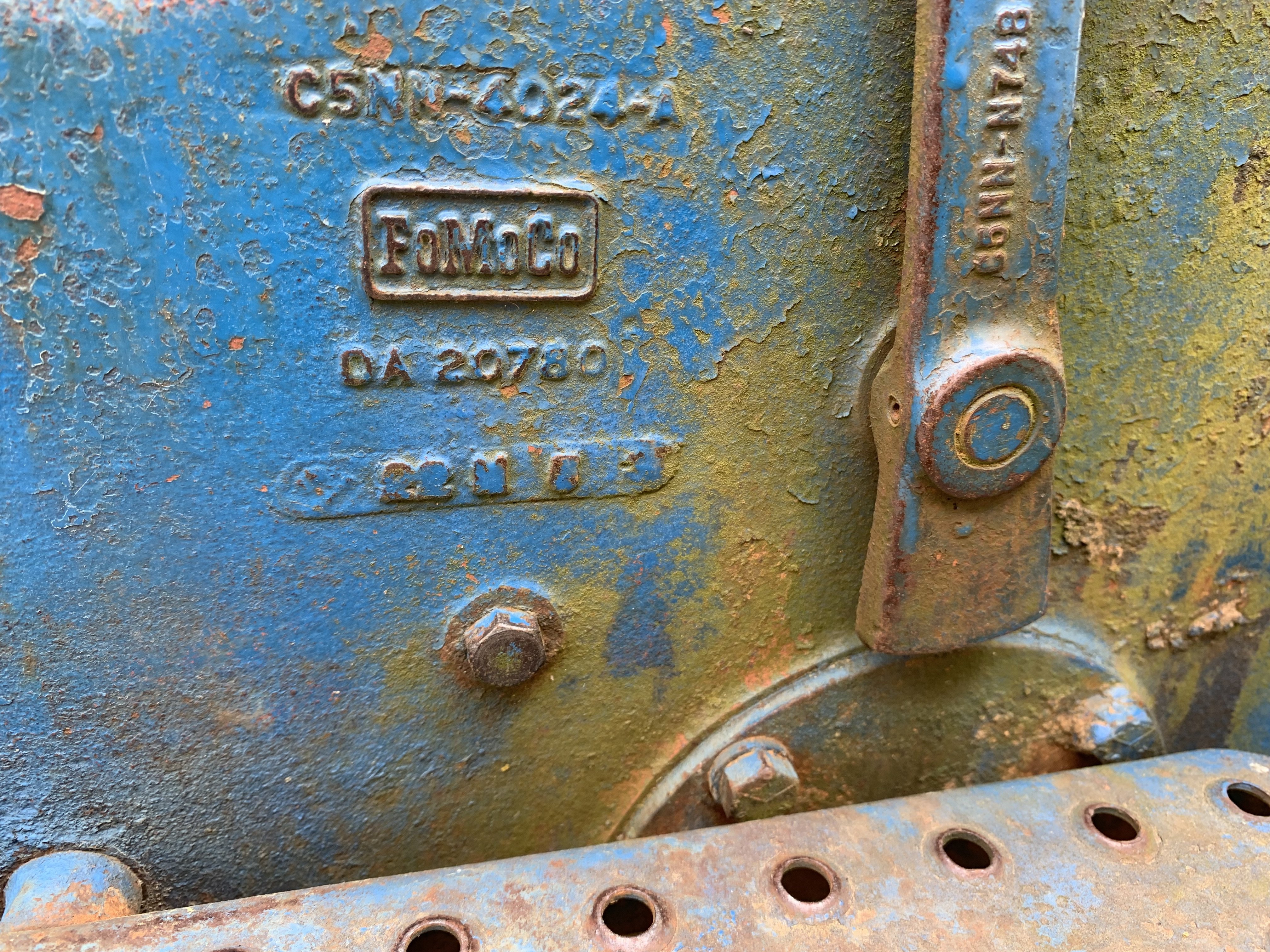
Axle casting C5NN-4024-A cast Dec 65
I have a April 75 5000, 8 spd, 540 pto with band brake, non load monitor and no external filter
Axle casting D2NN-4024-A
The anomaly is the early 5000 and 7000 have the same axle casting numbers but are different
We have 2 Dec 75 6600’s and a Sept 78 5600 all with the same D4NN-4024-B axle casting
One 6600 has dual power, all are 540 pto with band brake and external filter but none have load monitor
None of our tractors have the D0NN axle casting but we do not have a 7000 with 540 pto and band brake
My brother has a April 72 7000, 8spd, 540 pto with pawl brake, it has load monitor and external filter but not plumbed for oil cooler
Axle casting C5NN-4024-A cast January 72
My project April 75 7000 has 8 spd with dual power, 540/1000 pto with band brake, load monitor with external filter and oil cooler
Axle casting D3NN-4024-AB cast Oct 74
My nephew has a March 66 5000, 8spd, 540 pto with pawl brake, non load monitor and no external filter
Axle casting C5NN-4024-A cast Dec 65
I have a April 75 5000, 8 spd, 540 pto with band brake, non load monitor and no external filter
Axle casting D2NN-4024-A
The anomaly is the early 5000 and 7000 have the same axle casting numbers but are different
We have 2 Dec 75 6600’s and a Sept 78 5600 all with the same D4NN-4024-B axle casting
One 6600 has dual power, all are 540 pto with band brake and external filter but none have load monitor
None of our tractors have the D0NN axle casting but we do not have a 7000 with 540 pto and band brake
Last edited:
Destroked 450
Well-known Member
- Location
- Harned, Ky
72 7000 axle with filter
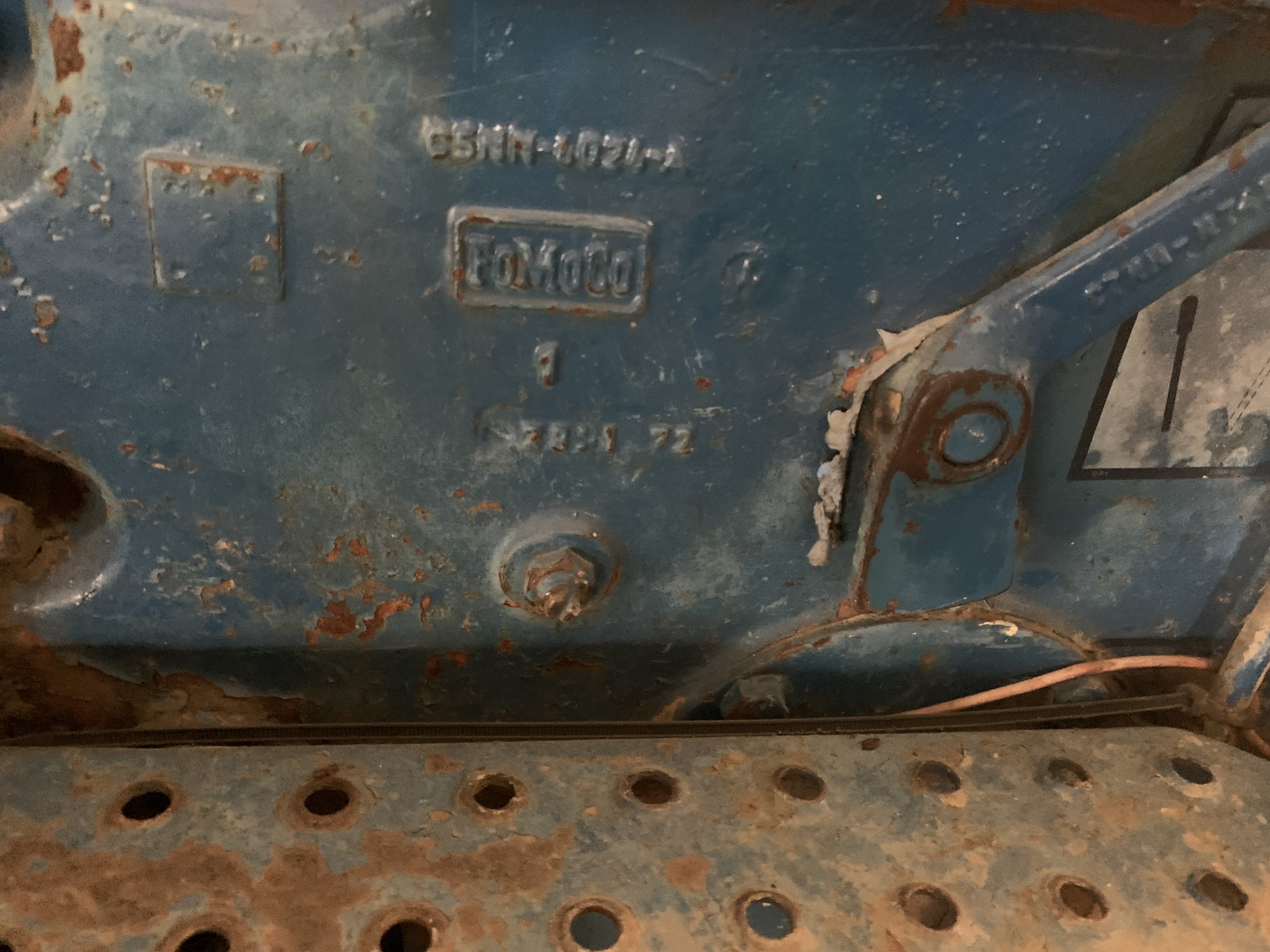
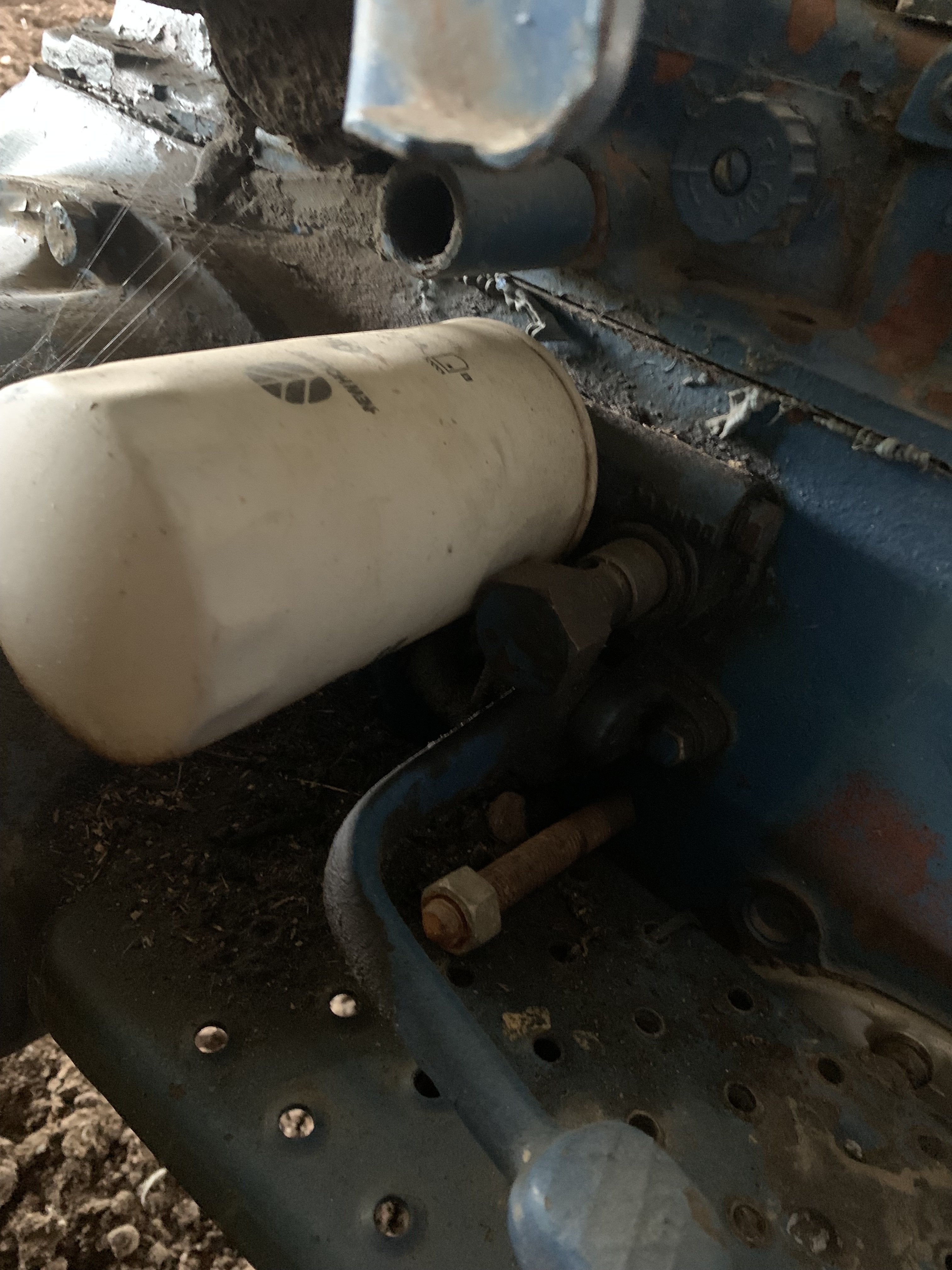
66 5000 axle without filter
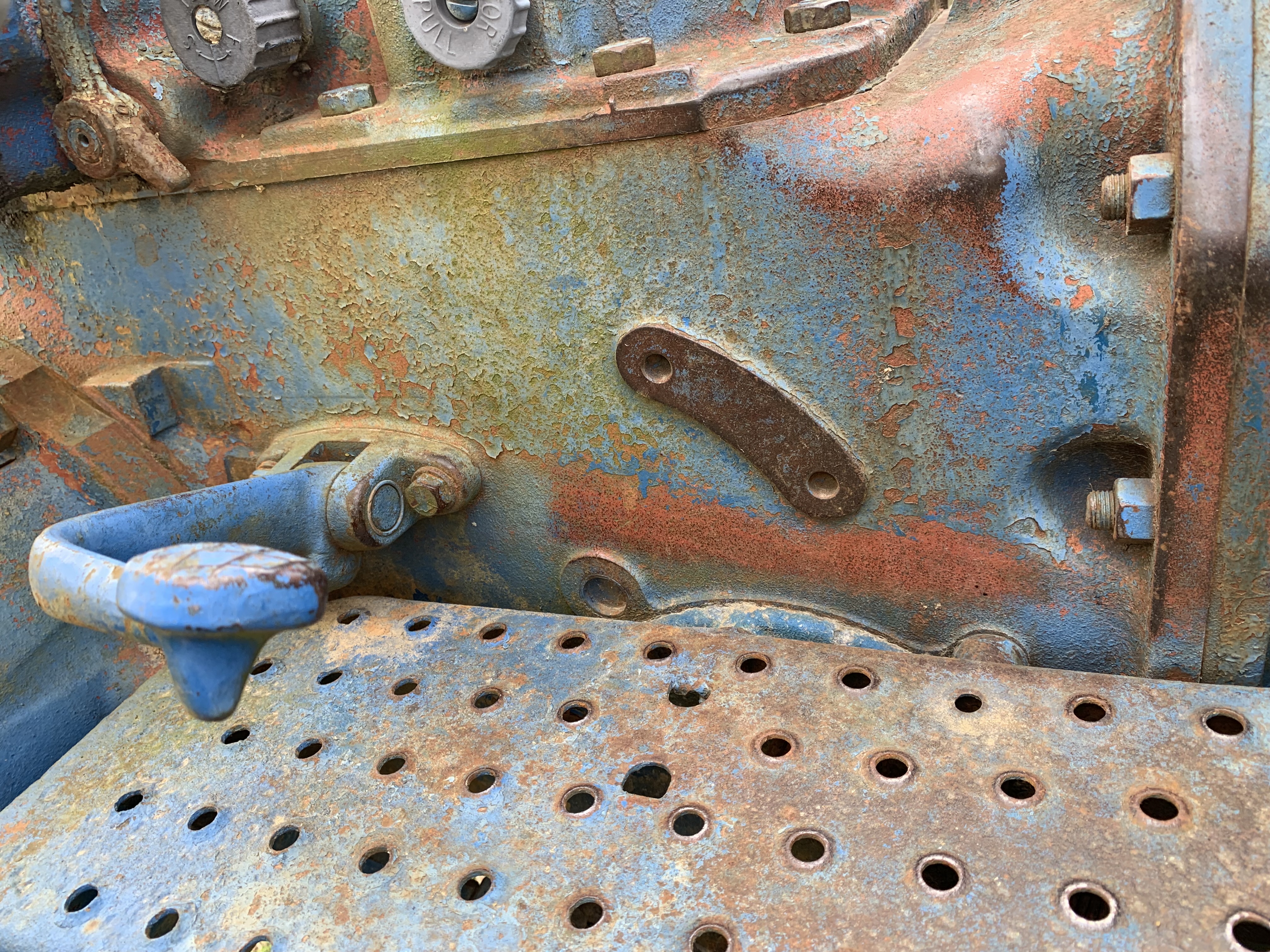
At this point I can not say what axle casting numbers will work, BUT any 5000 axle that does not have the external filter will not work with your 7000 lift top
66 5000 axle without filter
At this point I can not say what axle casting numbers will work, BUT any 5000 axle that does not have the external filter will not work with your 7000 lift top
Last edited:
So my 73 7000 with center rear housing part number DONN 4024 F has load monitoring, an external filter, no oil cooler plumbed in, 540 pto, originally had pawl for brake but I converted it to band style 3 years ago. Mine matches the 72 7000 of your brothers as far as options but number is different. Also ran into a center housing on a 5000 C5NN 4024A.
Bern
Well-known Member
- Location
- Mount Vernon, WA
This anomaly is very possible. You can have two different iron pieces cast the same way and contain the same casting numbers, but machined differently. An easy example is engine blocks. A turbo engine could be drilled and tapped for the pressure and return fittings for the turbo, and a NA engine might not be. With regards to rear axle housings, one could be machined for an external filter, and another without. The only difference might be just the one drilled hole.The anomaly is the early 5000 and 7000 have the same axle casting numbers but are different
Destroked 450
Well-known Member
- Location
- Harned, Ky
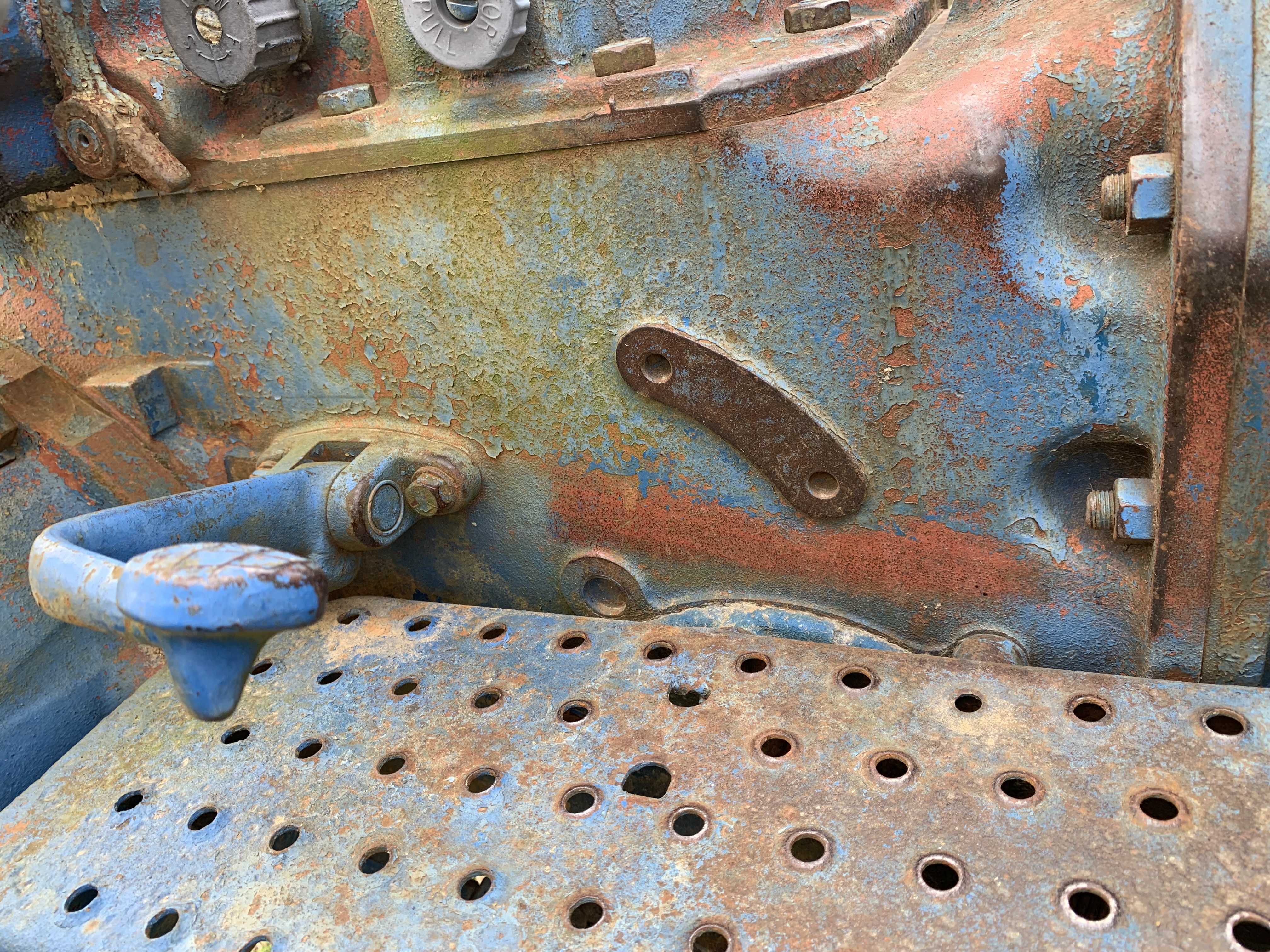
There’s are some easy identifiers that help determine if the axle center housing will work for you
All 5000/7000 models with load monitor had the external hydraulic filter
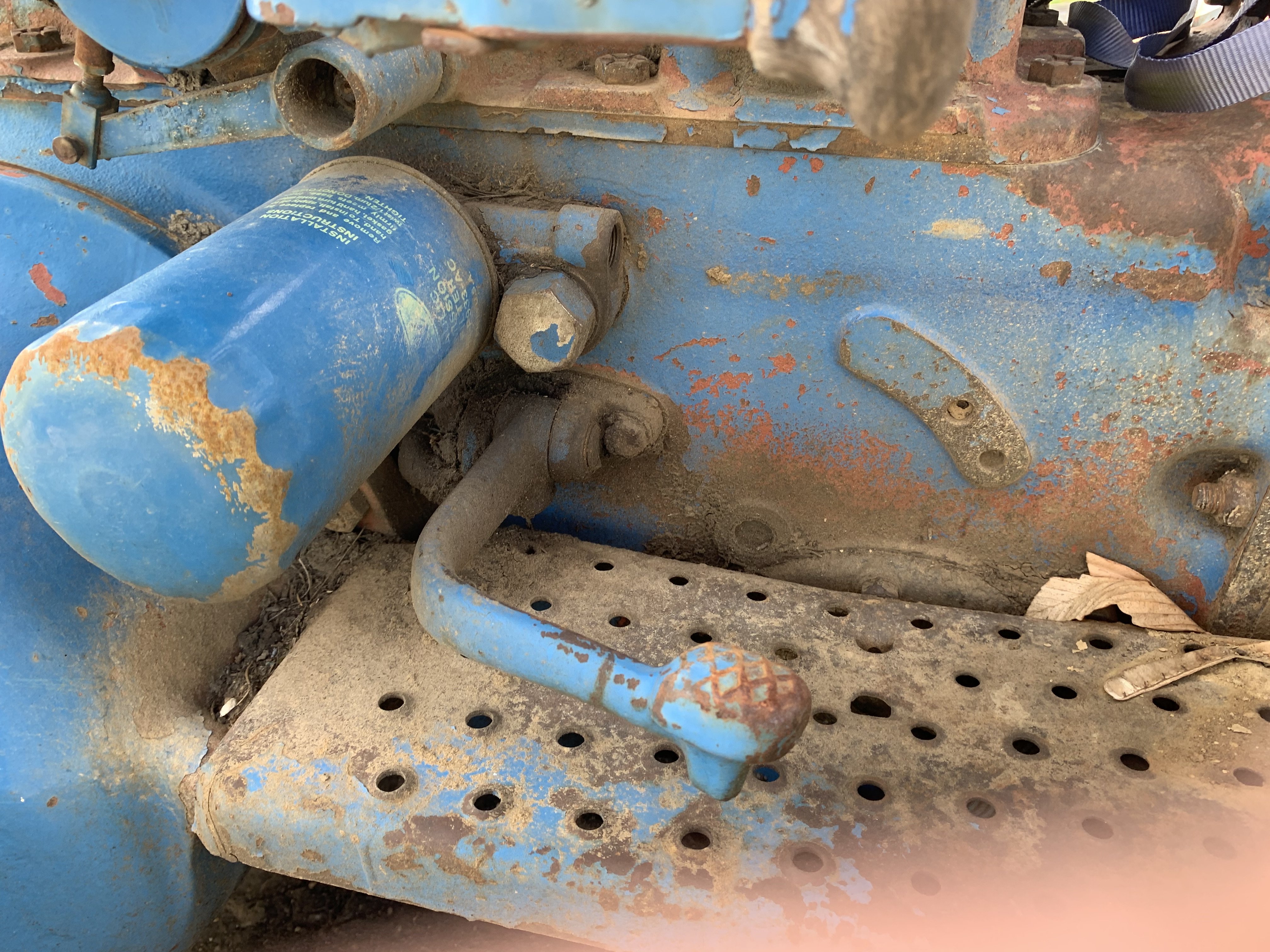
If the filter assembly has been removed there will be a machined flat and approximately 1” or larger hole in the housing above the differential lock pedal pedal mount
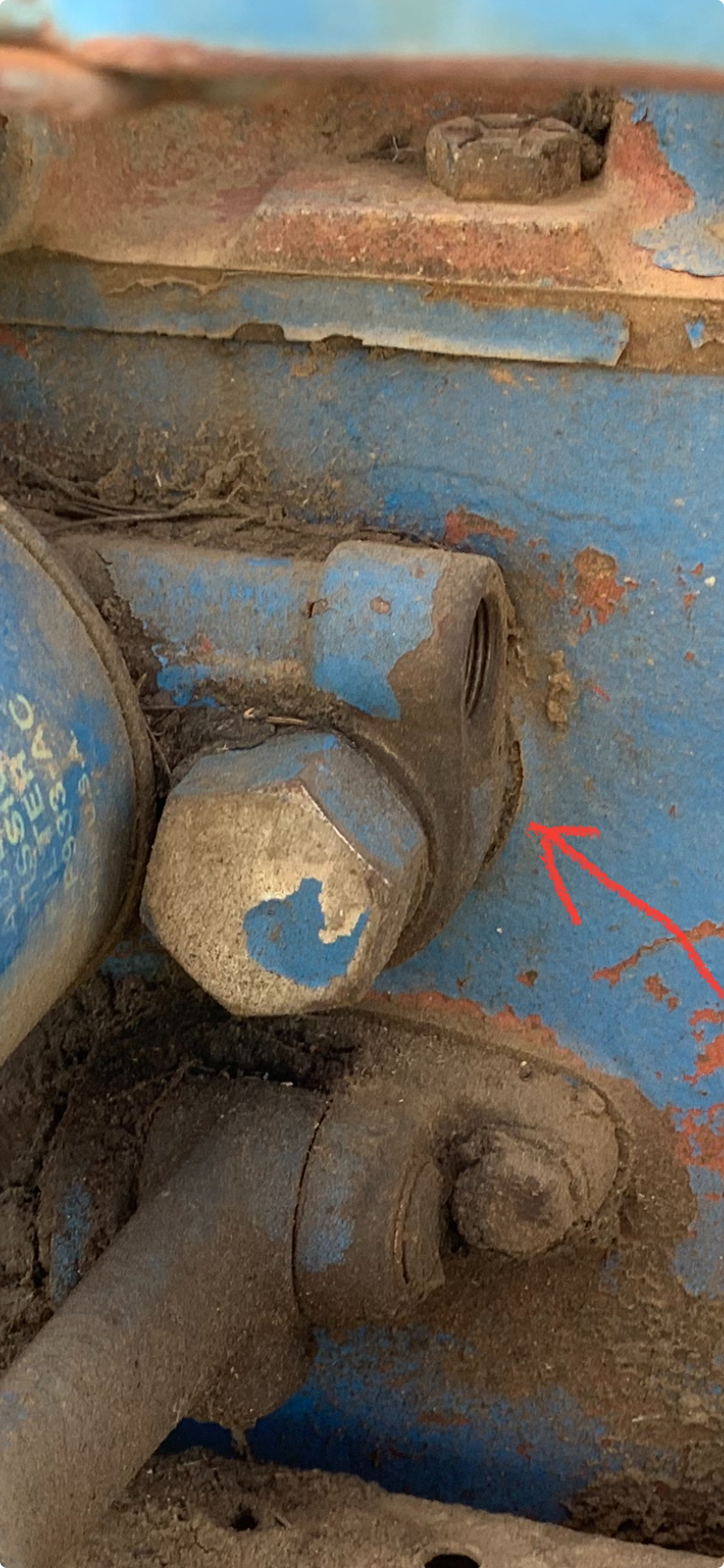
Notice this non load monitor housing does not have the provisions for a external filter
The lift tops are not interchangeable between these two housings
All 5000/7000 models with load monitor had the external hydraulic filter
If the filter assembly has been removed there will be a machined flat and approximately 1” or larger hole in the housing above the differential lock pedal pedal mount
Notice this non load monitor housing does not have the provisions for a external filter
The lift tops are not interchangeable between these two housings
Destroked 450
Well-known Member
- Location
- Harned, Ky
Once you’ve found a oil filter housing you can look on the left side to see if it has pawl brake pto or band brake
Pawl brake pto has 1 control valve mounting screw and the control lever has a flat extension at the bottom
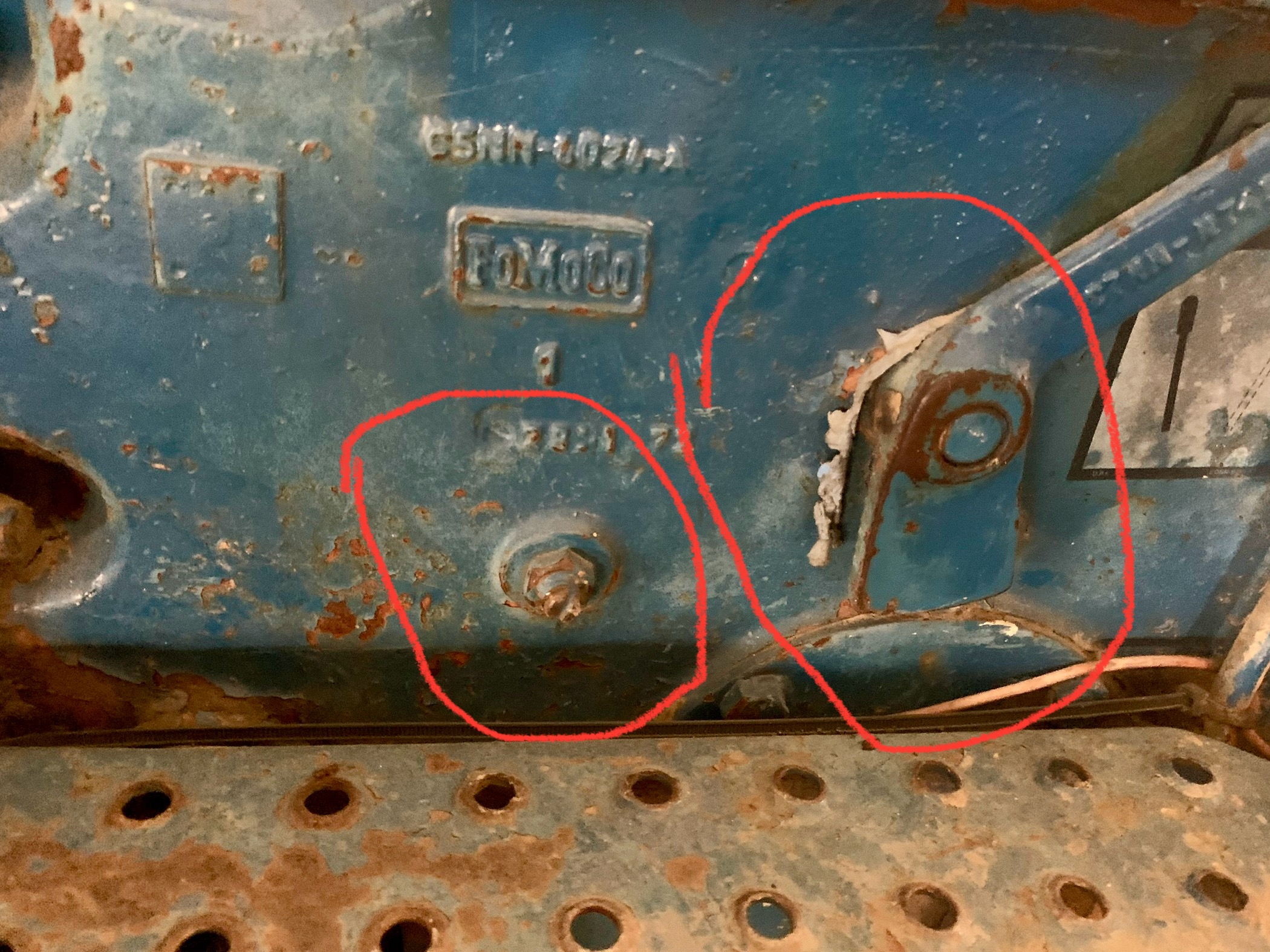
Band brake pto has 2 control valve mounting screws and the control lever is rounded at the bottom
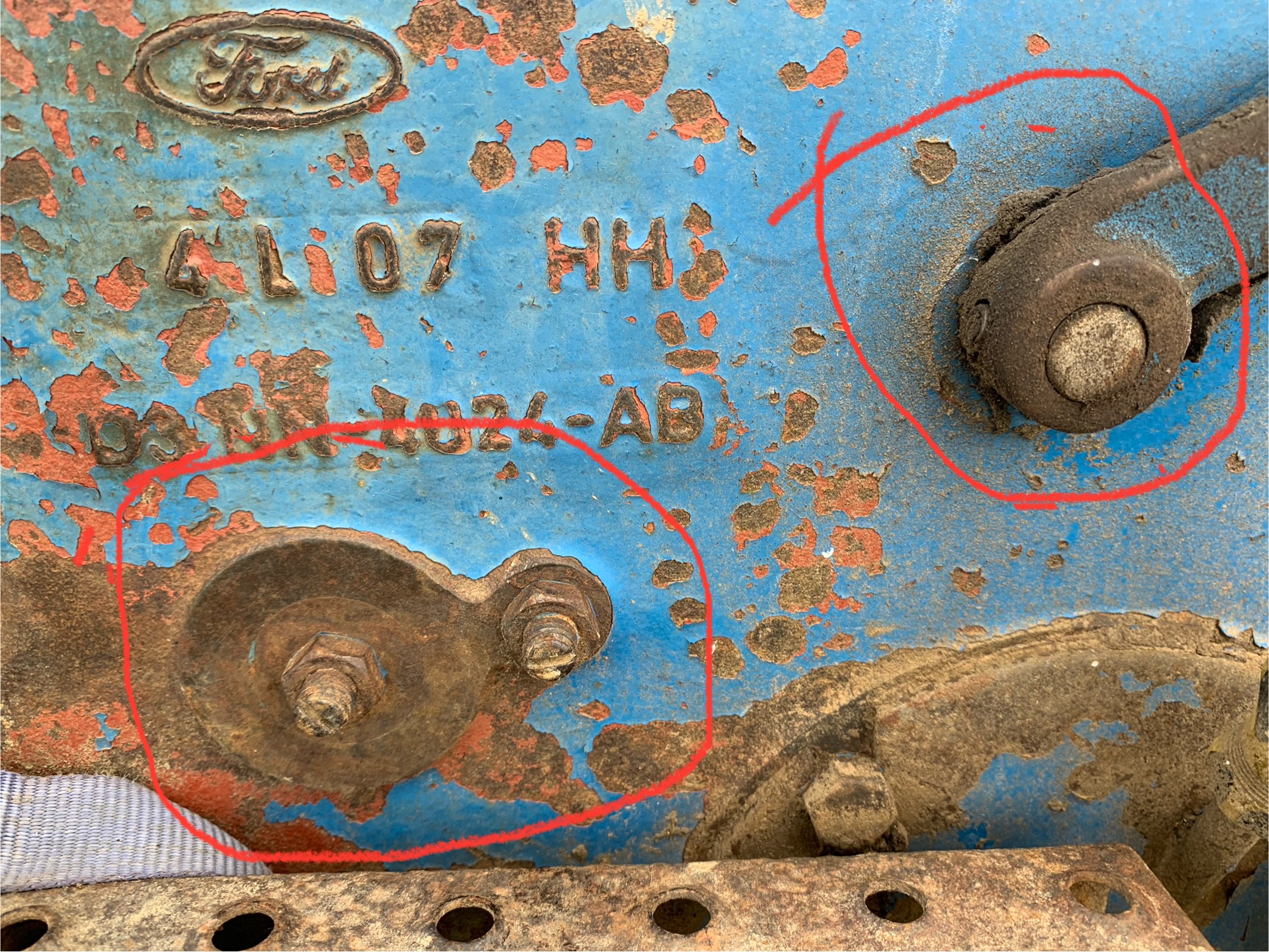
Pawl brake pto has 1 control valve mounting screw and the control lever has a flat extension at the bottom
Band brake pto has 2 control valve mounting screws and the control lever is rounded at the bottom
Attachments

chevytaHOE5674
Well-known Member
Give Ogema Tractor Parts a call. They have quite a few old Fords being parted out.
Ogema Tractor Parts
Ogema Wisconsin. 715-922-0677
Ogema Tractor Parts
Ogema Wisconsin. 715-922-0677
I have checked with Omega tractor parts and they said they didn't have anything that matched my casting number. Thanks! So going back to the junkyard center housing I found, I took some measurements on the outside and compared to mine and that looks the same, both have external filter, I'm wondering if my pinion shaft from my 7000 would bolt into the one that I found, or were there some differences between 5000 and 7000 housings where pinion shaft bolts into housing?
Bern
Well-known Member
- Location
- Mount Vernon, WA
Unfortunately you're asking the kinds of questions that most of us, including myself, will not be able to answer. This is because the ring and pinion assembly on most Ford tractors of that era are virtually bulletproof, and so I think I can safely say that most of us can't answer you from personal experience. Myself, I have worked on more 4-cylinder Fords than I care to count, and I can honestly say that I've never had to disturb the ring and pinion, just for the sake of the ring and pinion. I've removed differentials to clean out sludge in the rear axle and work on the final drives, but that's about it.I have checked with Omega tractor parts and they said they didn't have anything that matched my casting number. Thanks! So going back to the junkyard center housing I found, I took some measurements on the outside and compared to mine and that looks the same, both have external filter, I'm wondering if my pinion shaft from my 7000 would bolt into the one that I found, or were there some differences between 5000 and 7000 housings where pinion shaft bolts into housing?
I suspect the most definitive answers you'll find for your most recent questions will be found in the parts book.
Last edited:
Destroked 450
Well-known Member
- Location
- Harned, Ky
I’m not sure what you’re calling the pinion shaft, is that the pinion gear?
Ring and pinion gears are in matched sets, mixing and matching gears usually results in non matching gear patterns causing the gears to be noisy and or accelerated wear
Does this axle housing you’ve found still have the lift top on it, load monitor lift top is different having the 2 outlets in the front for plumbing to the load monitor lift top cylinder
Ring and pinion gears are in matched sets, mixing and matching gears usually results in non matching gear patterns causing the gears to be noisy and or accelerated wear
Does this axle housing you’ve found still have the lift top on it, load monitor lift top is different having the 2 outlets in the front for plumbing to the load monitor lift top cylinder
Bern
Well-known Member
- Location
- Mount Vernon, WA
I wouldn't let the lack of Load Monitor outlets on the top cover stop me. Nobody I know uses that feature.I’m not sure what you’re calling the pinion shaft, is that the pinion gear?
Ring and pinion gears are in matched sets, mixing and matching gears usually results in non matching gear patterns causing the gears to be noisy and or accelerated wear
Does this axle housing you’ve found still have the lift top on it, load monitor lift top is different having the 2 outlets in the front for plumbing to the load monitor lift top cylinder
Similar threads


We sell tractor parts! We have the parts you need to repair your tractor - the right parts. Our low prices and years of research make us your best choice when you need parts. Shop Online Today.
Copyright © 1997-2025 Yesterday's Tractor Co.
All Rights Reserved. Reproduction of any part of this website, including design and content, without written permission is strictly prohibited. Trade Marks and Trade Names contained and used in this Website are those of others, and are used in this Website in a descriptive sense to refer to the products of others. Use of this Web site constitutes acceptance of our User Agreement and Privacy Policy TRADEMARK DISCLAIMER: Tradenames and Trademarks referred to within Yesterday's Tractor Co. products and within the Yesterday's Tractor Co. websites are the property of their respective trademark holders. None of these trademark holders are affiliated with Yesterday's Tractor Co., our products, or our website nor are we sponsored by them. John Deere and its logos are the registered trademarks of the John Deere Corporation. Agco, Agco Allis, White, Massey Ferguson and their logos are the registered trademarks of AGCO Corporation. Case, Case-IH, Farmall, International Harvester, New Holland and their logos are registered trademarks of CNH Global N.V.
Yesterday's Tractors - Antique Tractor Headquarters
Website Accessibility Policy