

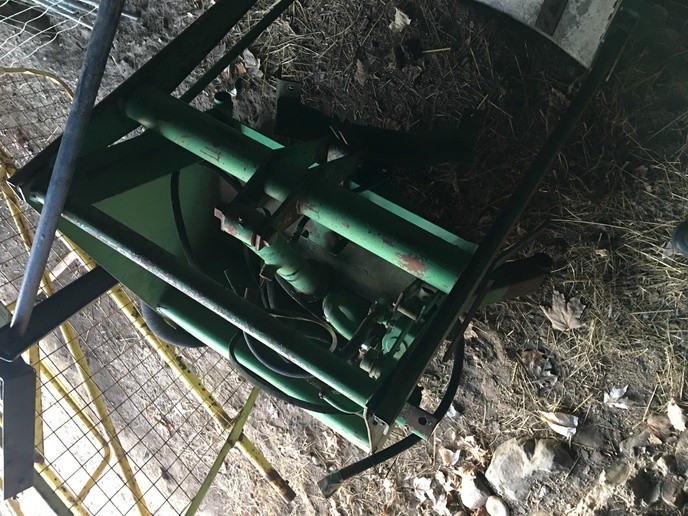

Bale thrower

TDJD

Member
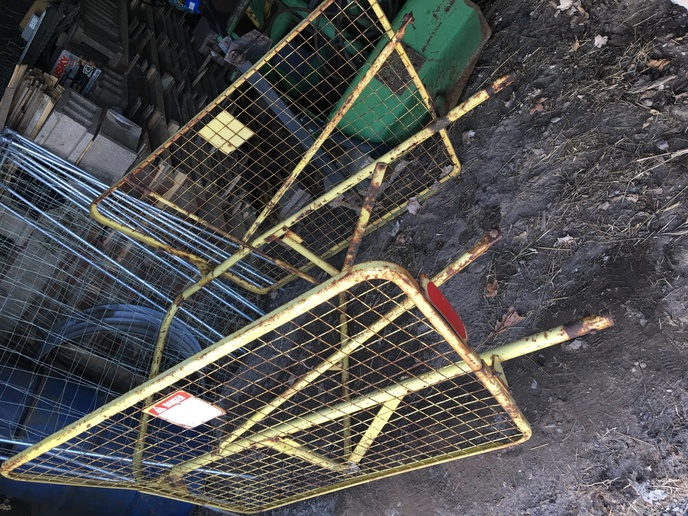
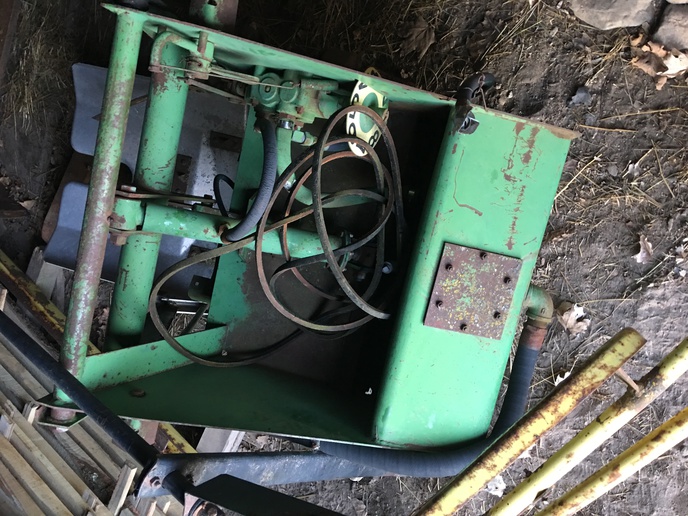
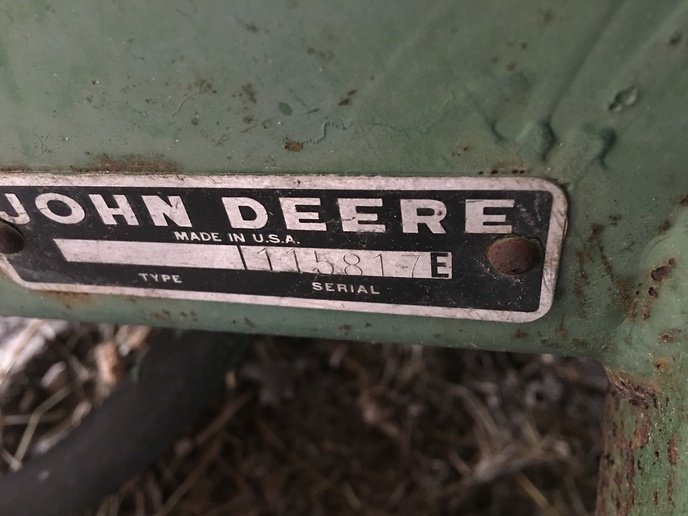
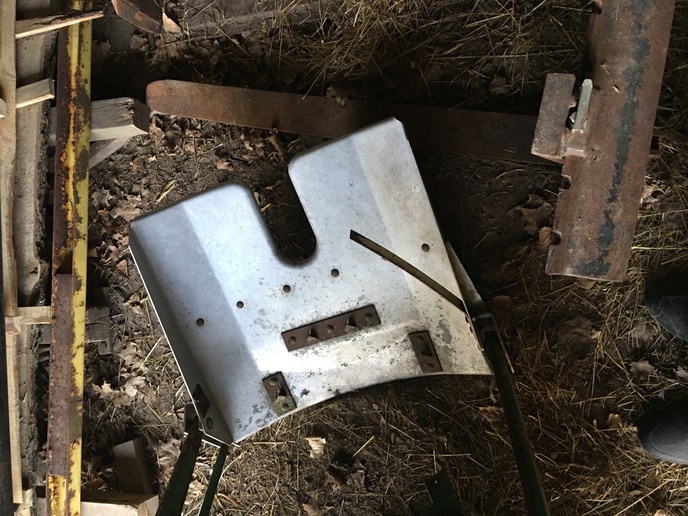
I bought a bale thrower. I was looking at pictures on the internet, trying to figure out the model. I can?t tell the difference between the 30 and 40. Can anyone else figure out what I have?
Thanks
cvphoto8671.jpg


cvphoto8672.jpg


cvphoto8673.jpg
 
That is definitely a #30. I hope you also got the necessary baler modification parts required to complete the install of this thrower. One piece is the left side axle extension that moves the left wheel towards the rear about 8". This is necessary to make up for the weight shift of the installed thrower. And then you need the hydraulic pump, the belts, the anti slip tape for the flywheel and the idler tension pulley to keep the thrower belts tight. We use a remote 2.5" X 8" hydraulic cylinder on the right side of the bale case to control the left-right throw angle. There is also an electric motor drive to control the distance wheel (plus the cab switch to control the motor).

We are running #30, #40, & #42 throwers on 4 different balers. They are basically the same with some improvements along the way. One possible problem which can't be seen, is the throw cylinder has a coil spring inside which may break and thus the throw is not cushioned at the end of its throw lift. The shock at the end of the "up" cycle can then destroy the big H frame which moves the aluminum pan. Another likely problem is in the distance control valve. It may seize due to water/rust and not move to its detent position (spring loaded steel balls). If this is stuck, the baler will be trying to power the thrower continuously, taking a lot of PTO power, and heating up the hydraulic oil with unnecessary wear on the hydraulic pump. The replacement valve is expensive, but I have disassembled the tail end of the valves (Allen screws) and cleaned them to work again.

Fortunately this series of throwers have a safety lock out handle that prohibits them from throwing. Keep in mind that anytime the flywheel is turning, it can possibly throw, and it can be quicker than you can move out of the way. Do NOT put any body parts within the cage while the flywheel is turning, it can be fatal!

You will need the missing side spring on the pan, buy 2 and put the extra one in the baler tool box. They do break and then it it tries to throw with only one side spring, it becomes an uneven throw. possibly doing damage to the thrower. If you maintain these throwers, they last for many 100,000 bales. Just do not expect to throw wet 100# bales, it beats the H_11 out of the thrower.


Paul in MN
 
Thanks for the information!
Where should I look for the anti-slip tape?
For the distance control I got a long pipe that bolts to the baler, and goes up to the tractor seat. I didn?t get the axle extension.
How will I know if the distance controlled is seized?
Also I can?t get the safety lock handle to move, is there something I should look for on it?
Thanks again.
 
TDJD,

For the anti slip tape, I think you can find adequate product at hardware or home improvement stores. I think it is the same stuff you might put on the basement stairs or maybe shower stall floor. Because your flywheel does not have the machined grooves for the V belt, the belts just run on their flat bottoms on the smooth surface of the flywheel and will slip during the "throw".

For distance control, the long pipe works if your tractor does not have a cab. My first electrical motor conversion for the dist control involved using a window lift motor from a junk car, plus the window switch from the same door. I cut gear teeth in the distance wheel for the motor gear teeth to engage with. I cut the teeth with a hacksaw and file. Maybe by now there are enough electrical controls in the baler junk yards to get the whole setup reasonably. I did not like the pipe handle distance control because when you needed it most was at the end of rows while turning and then it was out of reach. On sharp corners, you need to turn the dist control down to #2, or else you throw over the side of the wagon.

The distance control valve has a removable end cap facing the front of the thrower, behind the yellow number wheel. That cap is attached to the valve with 2 allen head screws. Because your thrower has been removed and probably has sat for a few years in the weather, you can likely assume it is seized. Take the cap off and clean up old dried oil, rust, etc. IIRC there are 3 steel balls held by a split ring spring. But my thrower book shows 4 spring loaded detents inside the cap. JD book says they should be cleaned and oiled annually. If you did not get the book with the thrower, you will want JD: OM-E68109. This is the Operator's Manual... a must have for installation and adjustment procedures.

The safety lock out handle moves an "ear" blocking the auto triggering of the thrower valve. See that this ear is not fighting with some part of the throw valve, and then its lack of motion is probably due to rust on its pivot shaft. Oil and tap lightly to get it free. Note that it also has a spring which holds it in either "lock" or "throw" positions. Sometimes these springs are broken or missing, but are very necessary for your safety.

There are other springs that are necessary for operation. Both are frequently broken. One pair of ~3" long coil springs are located on the latch "U" bolt. They often break in the middle and begin turning coils into both broken ends. The latch bar must be held down by these 2 springs. The other important spring is located on the bottom half of the cage (left side) and pulls the trigger to its vertical position. When this one breaks, the thrower tries to throw many times rapidly. In the field, when this one has broken we find a bungee cord in the truck and use it to temporarily replace the spring.

It is really best to get the left axle extension piece. Otherwise the baler will be tail heavy and possibly bounce the front baler hitch high enough to mess up the PTO shaft. The normal left spindle just bolts to the axle with 4 5/8" bolts IIRC. So it should be unbolted. You could make the extension out of 1" thick X 6" wide X 14" long steel plate in which you have drilled 8 5/8" holes to relocate the spindle towards the rear. None of these measurements are good, just guesses, as the balers are at my son's farm. Maybe I'll get out there in the next few days. As I recall, the rear of the tire will hit the trigger rod if the wheel is located too far back. I have rebuilt a few of these axle extensions, so I know it can be done.

Also check the rotation of the yellow number wheel. You should be able to rotate the wheel by hand.

I did open my email, so email me with more questions if you want to.

Paul in MN
 
Paul, thank you!! That information really helps! I?m going to take a closer look at the thrower soon, so I?ll email with more questions.
Thanks again!
 
Yesterday's Tractor Forums

We sell tractor parts! We have the parts you need to repair your tractor - the right parts. Our low prices and years of research make us your best choice when you need parts. Shop Online Today.

Back
Top