

You should upgrade or use an alternative browser.

steve19438
Well-known Member
what I need to know is what do folks here plant ???
gonna start this week end.
Traditional Farmer
Well-known Member
- Location
- Virginia
tractor.

Ultradog MN
Well-known Member
- Location
- Twin Cities
Ah yes, Deer plots.
They are a big deal here and one of the main reasons I have a tractor.
I keep a couple of plots planted up at my land.
They don't need to be tilled up as well as for a garden or crops that you are going to harvest.
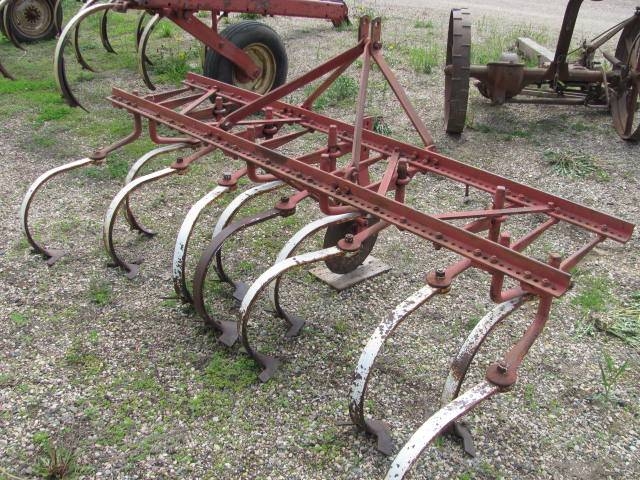
If I had only one tool for plots I would look for a Dearborn or Ferguson cultivator like this one. Around here one like this will set you back about $300.
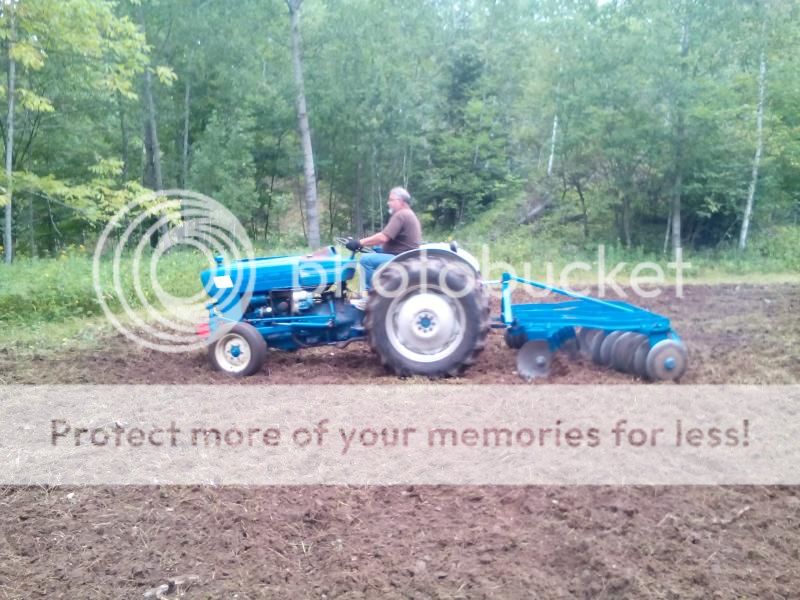
A good disc will do a lot too though. Add some weight to it and make a few rounds in multiple directions and it will cut up the soil well enough for a plot.
If you can find even a pull type disc it will do the job.
This is my buddy Mike going round and round in a new area we planted late last summer.
Of course it's nice to have a plow but you would still need a disc to chop it up afterwards. So if you can only have one tool the plow is not it.
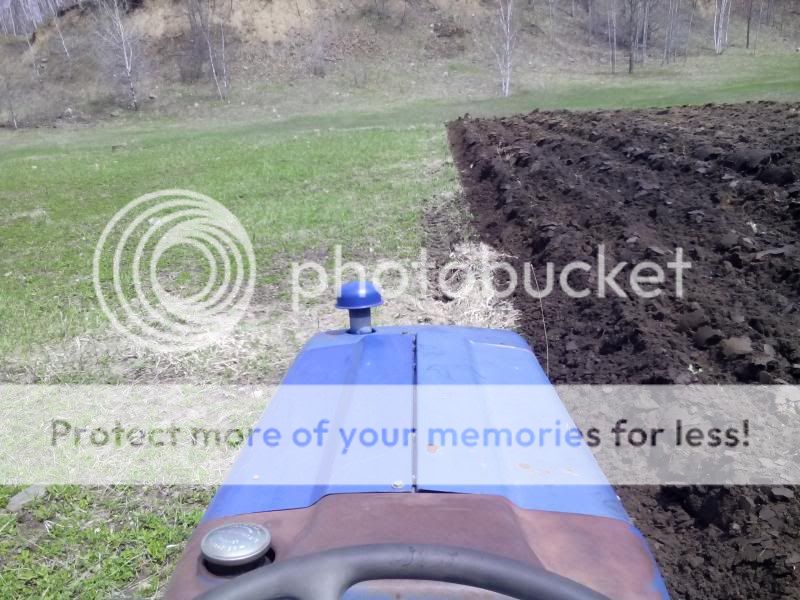
Here is a view from the seat on my main plot. I plow this about every two years. Then disc and reseed.
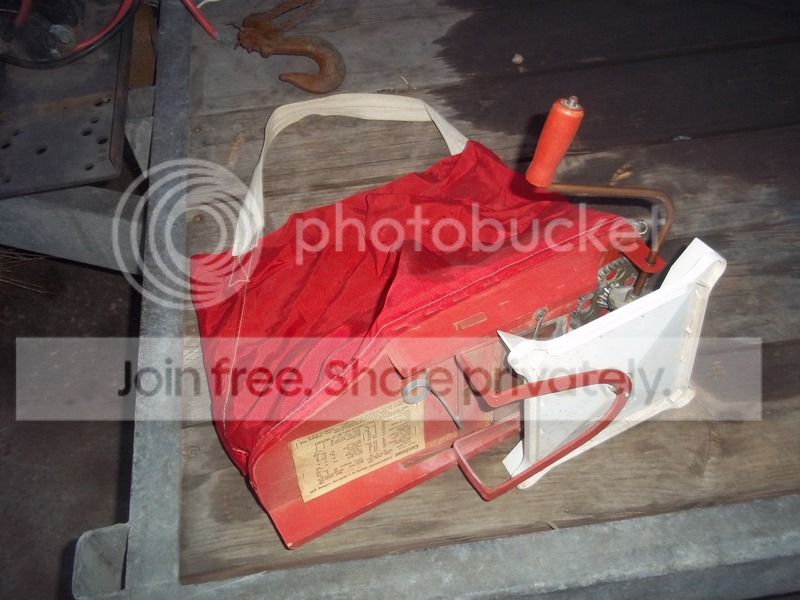
For seed I just go in to the local feed/seed store and buy their big rack mix. It's tuned for your climate/area. I've tried other things but get the best results from a pre mix. It's a mix of clovers, alfalfa, timothy, rape and turnip. About $40 for a bag - enough to do 2 acres. I use a broadcast spreader that I bought on Ebay a few years ago. But when I first started I just broadcast the seed by hand.
Lastly, you will want to lightly cover or press the seed into the ground.
For years I used an old bed spring and pulled it around behind the tractor.
A wide chunk of chain link fence will work ok too.
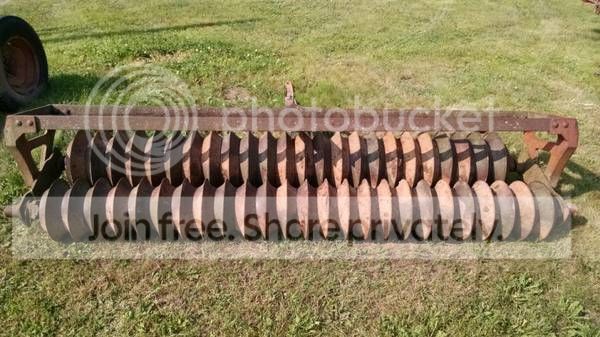
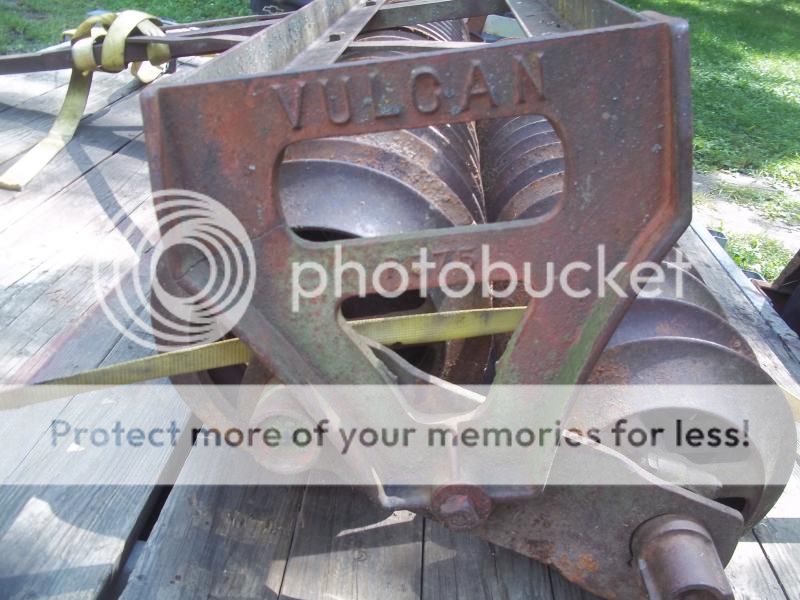
Last summer though I found this 8' cultipacker and made some repairs on it.
A cultipacker will give you a better germination rate as it presses the seed into the soil instead of covering it. Fine seed does not like to be covered too deeply.
I'm looking forward to using it for the first time this year.
Here is a photo of my main plot. About 1 1/2 acres. I tried mixing my own seed that years and put too much turnip in it. The deer really hit it but it choked out the grasses and didn't come back well the next year so I had to replant.

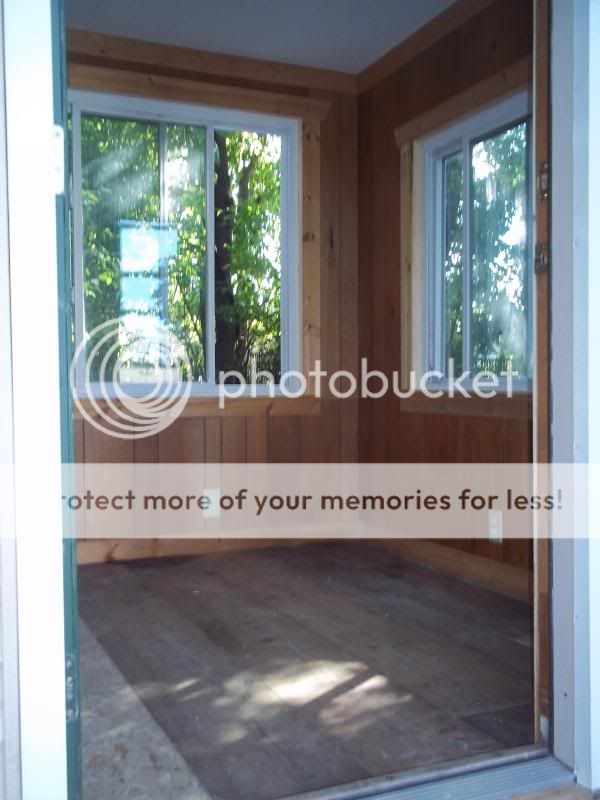
Lastly, if you want some comfort you gotta build yourself a deluxe deer stand.
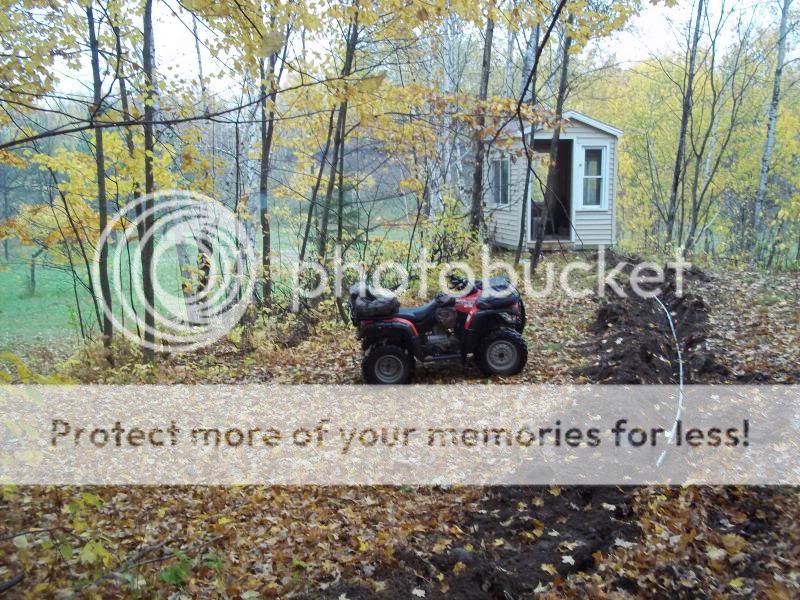
I built this at home and hauled it up to my land on the trailer a few years ago. Then we trenched in power to it for an electric heater, coffee pot and radio for the Gophers games. We can stay in it all day now and that helps a lot.
I have spent a bunch of years slowly getting all the right stuff together for my plots. Improving things, better tractor, adding implements, learning what works and what doesn't. If a guy had lots of dough he could just go out and put everything on a credit card but I can't do that. But it's been fun and it has improved our sucess rate.
In Minnesota only about 35% of hunters harvest a deer each year.
We have improved on that so we are somewhere close to double that. We don't hunt big horns. A good spike or nice doe (when we get a permit) suits us just fine.
Sorry this got so long. But when you mention deer plots and hunting, I kinda get cranked up.
After 50 years of freezing my behind in a stand I guess I've gotten soft.


RobCons
Well-known Member
- Location
- Central Alabama
Tim PloughNman Daley
Well-known Member
[i:654c4848f0][b:654c4848f0]<font size="4">Tim *PloughNman* Daley(MI)</font>[/b:654c4848f0][/i:654c4848f0]<table width="100" border="1" cellpadding="0" cellspacing="0" bordercolor="#000000"><tr><td height="25" colspan="2" bgcolor="#CC0000">
You could have a decent food plot by just spraying then using a disc. That's if you're planting clover. Mostly anything else i would want to plow first. You will need a heavy disc to dig in good so plan on adding weight to any disc you buy. They are pricey, especially this time of year. Go slow for the first couple of passes. You mainly just need to break the ground to mix in the fertilizer and lime(again I'm assuming clover). Another option that may work is a set of cultivators, cheaper than a disc but may not be good in heavy soil.
As for what to plant, variety is key. If the area is big enough do three strips. I would plant buckwheat in one now and beginning of sept replant with oats and white clover. Plant the other two in crimson clover now. Replant one mid July in brassicas and the other in Sept as a cereal grain (winter wheat or rye)


A moldboard plow will turn the soil over completely, and you can learn how to use a moldboard plow without difficulty, plow needs to be in decent shape, good shares at least. If you have thick tree roots or rock, it would be advisable to use a plow that has trip back, shear bolt or reset type, the latter you just back up to reset it after it trips. Spring trip is usually found on larger plows, mostly used by farmers for crops. Its possible you could use a subsoiler to sever roots, but with both of these, using an N or similar with no weight up front, a loader or something, I don't believe you'll want to use ground engaging implements like these where there are lots of interferences in the soil, given the potential.
If you have clean soils or the site is been cleared, just sod, or root bound soil, moldboard plow is an effective way to start.
Good friend has a cultivator like Jerry shows in the picture and we have used it to start new patches, takes a lot of passes, you will drag and bunch up clods, rootballs and clumps of sod mixed with soil, sometimes it will perform like a backblade. It would not be my first choice on new ground, but it does work, probably even better in soils with more sand or not as dense, or compacted. Its a good implement to have, friend has that one, I have the rest, plow disc and cultipacker. I don't recall using it after plowing yet, only concern would be going too deep and catching or dragging up sod, probably best to use it diagonally across the area in the same direction as the furrows were turned over, increasing depth a little at a time.
Plow and disc, or just a disc, or the cultivator, being my last choice, could work. A lot of the seed used for plots is smaller, so maximum tillage depth, may not have to be done, nice to have a deep seed bed for roots, depends on the plant. I think the worst is spending money on more expensive seed and not having the soil right. A poor job with the tillage, not turning the grass/weeds under completely, will show lots of it coming back. Initially, plowing is one way to get a good kill, I don't use chemical sprays or weed killer, for the most part and I've been able to get decent stands, might use it if I did imperial clover again, just to get it established, or spot spray later to keep it to a minimum.
Whitetail institute offers some nice products, expensive seed, but worth it. However, the local feed or supply store or elsewhere(off the web) may have something to fit a budget, I've planted a lot of oats mid to late summer, because its cheap and but works and does benefit the deer immensely, the larger the plot the better. Feed oats will provide a nice lush patch if planted in dense populations.
You should do a soil test, amend as needed, then till, plant etc. Small seed is planted shallow, oats being a larger seed, can go 1-1/2"-2" into the soil and you can plant them after plowing, and one pass with secondary tillage, I plant oats like that, plow then one pass withe disk, broadcast seed, then one more pass with the disc to finish, it almost looks like it was planted with a grain drill, meant for planting crops like oats.
Whitetail institute website will provide lots of information about food plots.
The 3rd video is entertaining and educational, check it out at 9:44 minutes in ! Nice pair of late model Ford industrial tractors and some blunt advice LOL !
Food Plot Instructional
Food Plot Instructional 2
Video with Ford industrial tractors in food plots
Ultradog MN
Well-known Member
- Location
- Twin Cities
Thanks
The packer is a Vulcan which I hadn't heard of before.
The end frame was cracked which you can see in the photo.
I made a post here about repairing it last fall.
click here
Royse
Well-known Member
- Location
- Ionia County, Michigan
like the one UD pictured, I use that. If the ground is too hard
I plow then disk. I use a 9 foot "oat roller" to roll the seed down.
I fill the barrels with water to roll my yard too.


I have this JD cultivator for sale on CL. It's a beast!


Similar threads
- Replies
- 60
- Views
- 250K

We sell tractor parts! We have the parts you need to repair your tractor - the right parts. Our low prices and years of research make us your best choice when you need parts. Shop Online Today.
Copyright © 1997-2025 Yesterday's Tractor Co.
All Rights Reserved. Reproduction of any part of this website, including design and content, without written permission is strictly prohibited. Trade Marks and Trade Names contained and used in this Website are those of others, and are used in this Website in a descriptive sense to refer to the products of others. Use of this Web site constitutes acceptance of our User Agreement and Privacy Policy TRADEMARK DISCLAIMER: Tradenames and Trademarks referred to within Yesterday's Tractor Co. products and within the Yesterday's Tractor Co. websites are the property of their respective trademark holders. None of these trademark holders are affiliated with Yesterday's Tractor Co., our products, or our website nor are we sponsored by them. John Deere and its logos are the registered trademarks of the John Deere Corporation. Agco, Agco Allis, White, Massey Ferguson and their logos are the registered trademarks of AGCO Corporation. Case, Case-IH, Farmall, International Harvester, New Holland and their logos are registered trademarks of CNH Global N.V.
Yesterday's Tractors - Antique Tractor Headquarters
Website Accessibility Policy